
Covert Narcissist Characteristics: Recognizing the Subtle Signs


Introduction
When most people think of a narcissist, they imagine someone loud, boastful, and standing in the center of every room, demanding attention. But there is another side to this personality dynamic that is much harder to spot because it doesn’t look like ego—it looks like fragility. This is the “covert” or “vulnerable” narcissist.
Instead of overt aggression, you might encounter someone who seems unusually shy, sensitive, or even modest. However, beneath that quiet exterior often lies a complex pattern of behavior designed to secure attention and avoid accountability. Recognizing the characteristics of a covert narcissist is vital because their influence is often subtle, making you feel like you are the one being unreasonable or “too sensitive” when you attempt to set boundaries.
Understanding the Vulnerable Dynamic

The core of covert narcissism is a “fragile self-esteem” (1, 2). Unlike the overt type, who feels naturally superior, the covert narcissist maintains an inflated sense of importance internally while simultaneously battling deep-seated feelings of inadequacy and a constant fear of rejection (1, 2). This creates a paradox: they believe they are special or uniquely gifted, yet they feel perpetually wounded by a world that they believe fails to recognize their greatness.
This internal tension often manifests as a “victim mentality.” Rather than taking responsibility for their life or mistakes, they may position themselves as the person who is always misunderstood, unappreciated, or wronged by circumstance (1, 2). This allows them to bypass personal accountability by keeping the focus on their perceived suffering.
Key Characteristics of a Covert Narcissist
Because these traits are often disguised as personality quirks or mental health struggles, they can be difficult to identify in real-time. Here are the most common patterns to look for:
- Passive-Aggressive Behavior: Instead of direct confrontation, they may use the silent treatment, withhold essential information, or deliver subtle insults disguised as “just a joke” (1, 2).
- Self-Deprecation as Manipulation: They may use false humility or “sob stories” to fish for reassurance. This forces others to provide constant emotional validation to soothe their wounded ego 1.
- Hypersensitivity to Criticism: While an overt narcissist might lash out in rage, a covert narcissist often responds to even minor feedback by becoming sullen, defensive, or withdrawing entirely 1.
- Lack of Emotional Reciprocity: They often lack empathy for the needs of others. In a conversation, they may use their own struggles or narratives of being wronged to dominate the emotional space, leaving little room for your experiences (1, 2).
- Withdrawal as a Tool for Control: While they may appear socially anxious or shy, their tendency to withdraw is often a calculated tool used to punish others or exert control over a situation 1.
- High Levels of Neuroticism: Research suggests these individuals tend to be more emotionally unstable, often experiencing higher levels of anxiety, stress, and negative emotions 1.
Overt vs. Covert Narcissism: How to Tell the Difference

Distinguishing between these two types can help you understand why your interactions feel so different depending on who you are dealing with. While both share a core of grandiosity, their “delivery method” is polar opposite.
| Feature | Overt (Grandiose) Narcissist | Covert (Vulnerable) Narcissist |
|---|---|---|
| Social Presence | Extroverted, boastful, and attention-seeking. | Introverted, reserved, or appearing modest. |
| Primary Tactic | Direct aggression and dominance. | Passive-aggression and victimhood. |
| Response to Criticism | Outward rage and indignation. | Sullenness, withdrawal, or defensiveness. |
| Self-Image | Confidence and perceived superiority. | Fragile self-esteem and perceived inadequacy. |
Distinguishing Personality from Mental Health
One of the most confusing aspects of covert narcissism is how much it can resemble genuine depression or low self-esteem. However, experts suggest that the distinction lies in intent and impact 1.
A person struggling with genuine depression or social anxiety typically feels empathy for how their struggles affect those around them. They are often concerned about the burden they might be placing on others. In contrast, a covert narcissist may use their mental health or “struggles” as a shield to avoid accountability or to demand that the focus remain entirely on them 1.
Covert Narcissism in Relationships
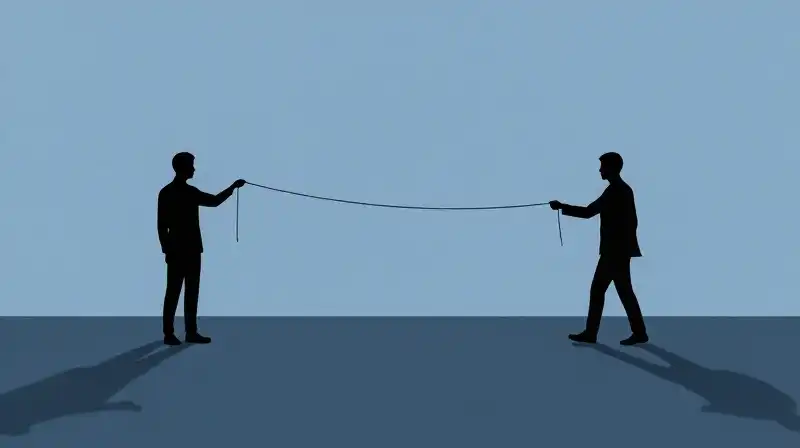
In romantic or familial settings—such as dealing with a covert narcissist husband or mother—the patterns become more transactional. These individuals often exhibit an insecure attachment style marked by a fear of abandonment, yet they struggle to form deep, non-transactional connections 1.
You may notice a cycle where they initially seem sensitive and deeply needing of your care, but as the relationship progresses, their need for validation becomes an endless loop. The relationship often feels “one-way,” where your role is to provide constant emotional support while your own boundaries are subtly eroded.
Recognizing Patterns and Moving Forward
Understanding these traits is not about labeling someone to “fix” them, but about recognizing a pattern so you can protect your own mental well-being. If you feel you are in a dynamic with a covert narcissist, keep these practical steps in mind:
- Watch for the “Pivot”: Notice if every conversation, no matter the topic, eventually pivots back to their struggles, their misunderstood genius, or how they have been wronged.
- Identify Passive-Aggressive Communication: If you find yourself constantly “guessing” why someone is upset because they refuse to speak directly, recognize this as a control tactic rather than simple shyness.
- Set Boundaries on Emotional Labor: While empathy is a virtue, it should not be a one-way street. If your support is being used to bypass accountability, it may be time to step back.
- Prioritize Objective Reality: Because covert narcissists often use subtle manipulation, you might begin to doubt your own perceptions. Maintain connections with people who provide a grounded, external perspective.
Note: Recognizing these traits is a way to understand interpersonal dynamics and is not a clinical diagnosis. If you are in a relationship that feels emotionally draining or harmful, seeking support from a mental health professional can provide personalized guidance.
References
Footnotes
How to recognize patterns of a covert narcissist and protect your well-being
Watch for the "Pivot"
Notice if every conversation, no matter the topic, eventually pivots back to their struggles, their misunderstood genius, or how they have been wronged.
Identify Passive-Aggressive Communication
If you find yourself constantly "guessing" why someone is upset because they refuse to speak directly, recognize this as a control tactic rather than simple shyness.
Set Boundaries on Emotional Labor
Ensure that empathy is not a one-way street. If your support is being used to bypass accountability, it may be time to step back.
Prioritize Objective Reality
Because covert narcissists often use subtle manipulation, you might begin to doubt your own perceptions. Maintain connections with people who provide a grounded, external perspective.
Related Articles