Writing a Letter to a Narcissist: Is It Worth It for Closure?


Introduction
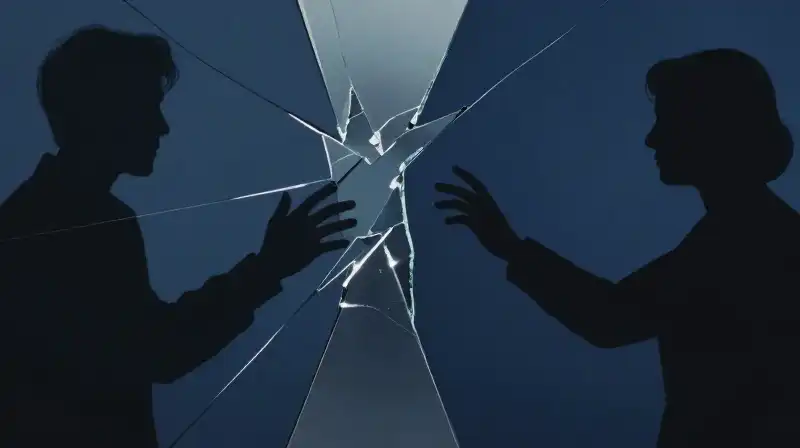
You are sitting with a notebook, or perhaps a blinking cursor on a screen, trying to find the words to explain how much you have hurt. You want to tell them that the person you fell in love with was a curated mask, a charming persona that eventually slipped to reveal a much colder reality 1. You want to demand an apology, seek justice, or simply make them understand the depth of the “emotional hell” you endured 1. This urge to write a letter to a narcissist is a natural response to the profound identity loss and confusion that often follows these relationships. However, there is a vital distinction between writing a letter for your healing and writing a letter for their reaction.
If you are looking for closure through a response, you may be setting yourself up for more pain. In the context of narcissistic dynamics, the “closure” you seek from the other person rarely arrives in the way you expect. Instead, true closure often comes from reclaiming your own voice and realizing that the person you loved was an “echo” or a performance rather than a stable, authentic individual 1.
Is it worth writing a letter to a narcissist?
The answer depends entirely on your goal. If your goal is to change their behavior or force them to take accountability, the short answer is no. If your goal is to process your own emotions and externalize the pain you’ve been carrying, then yes, it can be a powerful therapeutic tool.
When writing a letter is helpful: The “Unsent Letter” Technique
Psychologists often suggest writing a letter that you never intend to mail. This is a way to bypass the “fever dream” of the relationship and begin the “slow burn” of recovery 1. This method allows you to:
- Externalize the gaslighting: By writing down what actually happened, you combat the process of being made to doubt your own sanity or reality 1.
- Reclaim your identity: Many survivors feel they have “buried joy” or forgotten their own essence 1. Writing allows you to rediscover your perspective without their interference.
- Release pent-up anger: It provides a safe container for the intense emotions that arise when you realize you were being manipulated or belittled 1.
When writing a letter is risky: Sending it to the individual
Sending a letter to a narcissist often triggers defensive mechanisms rather than empathy. Because these individuals often rely on a sense of entitlement and a need for admiration, they may view your vulnerability as an opportunity for further control 1. Common reactions to receiving a letter include:
- The Silent Treatment: They may use avoidance or indirect communication to punish you for expressing yourself 1.
- Character Assassination: In an attempt to preserve their own image, they may use your letter as “evidence” to tell others that you are unstable or “disloyal” (1, 2).
- Weaponized Gaslighting: They may mock your intelligence or belittle the validity of your feelings to maintain dominance (1, 2).
Understanding the Dynamics: Why they won’t give you closure
To understand why a letter rarely works as a communication tool, it helps to recognize the underlying patterns of the relationship. Closure requires two people to agree on a shared reality. In narcissistic dynamics, that shared reality is often missing.
| The Dynamic | How it Manifests | The Impact on You |
|---|---|---|
| The Mask | A curated, charming persona used to create false intimacy 1. | You feel betrayed because the person you loved doesn’t seem to exist. |
| Power Imbalance | The individual uses your empathy to stroke their ego and maintain control 1. | You feel exhausted from constantly meeting their needs while yours go unmet. |
| Control Tactics | Using financial manipulation, religious doctrine, or gender-role shame to dominate 1. | You feel trapped, small, and doubt your own core values (1, 2). |
How to write a letter for your own healing
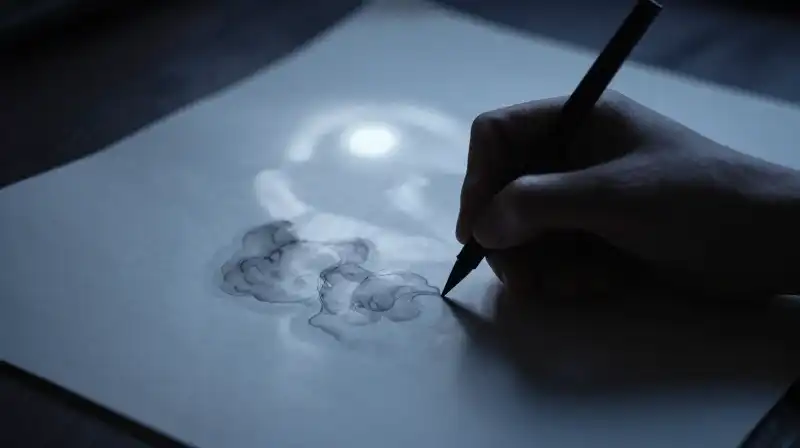
If you decide to write a letter as a way to process your experience, treat it as a private ritual of reclamation. Whether you are looking for a short goodbye letter to a narcissist boyfriend or a more complex letter to a narcissist husband, the focus should remain on your truth.
- Write without a filter: Do not worry about being “fair” or “reasonable.” The goal is to get the raw, unedited truth of your experience onto the page.
- Document the “small” things: Describe the specific moments where you felt belittled or the times they controlled the conversation to act as a “savior” while undermining you 1. This helps anchor you in reality.
- Focus on “I” statements: Instead of focusing on what they did (which can lead to circular arguing in your head), focus on how you felt. For example: “I felt invisible when…” or “I felt my sense of self slipping when…”
- Identify the loss: Acknowledge the parts of yourself you feel you lost during the relationship—your optimism, your laughter, or your confidence (1, 3).
- End with a declaration of self: Close the letter by stating what you are moving toward, rather than what you are leaving behind.
Moving Toward Self-Reclamation
The most important step in recovery is moving away from the hope of “shallow amends”—the small, meaningless apologies that narcissists often use to keep you engaged (1, 3). True closure is not something they grant you; it is something you build through “no contact” and the gradual realization that the version of them you loved was an echo, not a person 1.
As you move forward, watch for the tendency to doubt your own intelligence or memory. This is a lingering effect of the relationship. By writing your truth—even if only for yourself—you are beginning the vital work of reclaiming your voice and your reality.
References
Footnotes
Frequently Asked Questions
Is it worth writing a letter to a narcissist?
Whether it is worth writing a letter depends on your goal; it is a powerful therapeutic tool for processing your own emotions if kept private, but it is not worth it if you are trying to change their behavior or seek accountability. Sending a letter to a narcissist is risky because they may respond with the silent treatment, character assassination, or weaponized gaslighting.
How to write a letter for your own healing
Write without a filter
Do not worry about being "fair" or "reasonable." The goal is to get the raw, unedited truth of your experience onto the page.
Document the "small" things
Describe the specific moments where you felt belittled or the times they controlled the conversation to act as a "savior" while undermining you. This helps anchor you in reality.
Focus on "I" statements
Instead of focusing on what they did, focus on how you felt. For example: "I felt invisible when..." or "I felt my sense of self slipping when..."
Identify the loss
Acknowledge the parts of yourself you feel you lost during the relationship—your optimism, your laughter, or your confidence.
End with a declaration of self
Close the letter by stating what you are moving toward, rather than what you are leaving behind.
Related Articles